
As the year draws to a close, businesses across the UK are reviewing finances, preparing budgets, and tying up loose ends before heading into 2026. One task that cannot be ignored is debt recovery. Unpaid invoices can severely impact cash flow, hinder future growth, and ultimately weaken financial stability going into the new year. That’s why December is one of the most critical times for businesses to prioritise structured, proactive debt recovery processes, particularly pre-legal action.
In this guide, we explore effective strategies to close outstanding accounts before 2026, strengthen your credit control process for the year ahead, and how Legal Recoveries & Collections (LRC) can support businesses with cost-effective, results-driven Pre-Legal Debt Recovery.
Why End-of-Year Debt Recovery Matters
December is more than just the end of the calendar, it’s a financial cut-off point that determines how smoothly a business transitions into the new year. When overdue invoices mount up, firms face:
- Reduced cash flow impacting operating budgets
- Higher aged debt, making recovery less likely
- Disrupted forecasting for Q1 2026
- Greater administrative pressure on finance teams
- Limited resources during holiday periods
A structured debt recovery plan ensures your business starts the new year with financial clarity, improved liquidity, and a refined credit control process.
Strengthening Your Debt Recovery Process Before 2026
To maximise recoveries before year-end, businesses should consider a structured, multi-step approach. A clear, effective debt recovery workflow not only increases payment rates but also reduces internal pressure.
Here are the most effective strategies:
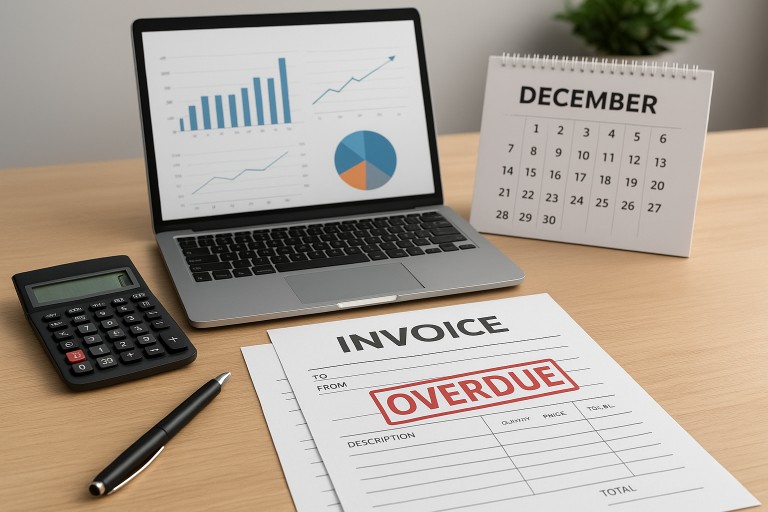 1. Review Your Aged Debt Report
Start by analysing overdue invoices, identifying high-value accounts, and prioritising those most likely to pay. Ageing reports tell you:
- Which debts require immediate third-party involvement
- Which accounts may need escalation
- Which customers present future credit risks
This early evaluation supports a more targeted and effective debt recovery plan.
2. Refresh Your Communication Strategy
Many debtors respond quickly to structured, polite but firm communication. Consider:
- Sending end-of-year reminders
- Updating tone or frequency of emails
- Making final courtesy phone calls
If communication has stalled, outsourcing to LRC’s Pre-Legal Debt Recovery team can prompt faster engagement.
3. Instruct a Specialist Pre-Legal Debt Recovery Partner
LRC offers comprehensive Pre-Legal Debt Recovery services that help businesses recover outstanding balances without immediately resorting to litigation. Benefits include:
- Professional debtor communication
- Tailored strategies depending on industry
- Faster response rates due to third-party authority
- Cost-effective recovery prior to legal escalation
4. Leverage Tracing and Asset Reports for Hard-to-Reach Debtors
If a debtor has moved, changed job, or stopped responding, LRC’s Tracing and Asset Reports service can identify updated information needed to progress recovery.
👉 https://www.legalrecoveries.com/debt-recovery/tracing-and-asset-reports
This improves the likelihood of successful recovery before the debt becomes too old.
5. Prepare for Legal Escalation if Necessary
For accounts where pre-legal action is unsuccessful, LRC’s Legal Recoveries & Enforcement service provides:
- Letter Before Action (LBA)
- County Court claim handling
- Enforcement via bailiffs and High Court Enforcement Officers
Early escalation, especially before year-end significantly improves your overall debt recovery performance.
6. Improve Your Credit Control for 2026
End-of-year recovery isn’t just about solving today’s problem , it’s about improving long-term processes. Businesses should:
- Tighten credit terms
- Review deposit or upfront payment policies
- Automate reminders and invoicing
- Outsource overflow credit control
LRC offers full Credit Control Services to support smoother operations next year.
👉 https://www.legalrecoveries.com/credit-control-services
The Role of LRC’s Pre-Legal Debt Recovery in Year-End Collections
LRC has over two decades of experience supporting businesses with effective and compliant debt recovery solutions. Our Pre-Legal Debt Recovery service is designed to maximise results without the immediate cost of court action.
Key features include:
- Dedicated case handlers
- Transparent communication through the Online Debt Manager portal
- Quick engagement with debtors
- Clear escalation routes if pre-legal actions fail
Clients can monitor updates, download reports, and track progress 24/7: 👉 https://www.legalrecoveries.com/online-debt-manager
How to Prioritise Invoices for Faster Debt Recovery Before 2026
To make your year-end process more efficient, prioritise invoices based on:
1. Age of Debt
Older debts are statistically harder to recover, so escalate those first.
2. Value
Focus on high-value invoices that most impact cash flow.
3. Debtor Risk Profile
Consider the customer’s payment history and communication habits.
4. Likelihood of Recovery
If internal attempts have failed for months, immediate Pre-Legal involvement increases success rates.
Conclusion: Start 2026 with Stronger Cash Flow Through Effective Debt Recovery
Now is the ideal time to wrap up overdue accounts, reduce aged debtor balances, and secure a stronger financial position going into 2026. A structured end-of-year debt recovery approach supported by LRC’s Pre-Legal Debt Recovery, Tracing Services, and Legal Recoveries teams ensures your business maximises recoveries efficiently and professionally.
Contact Legal Recoveries & Collections today to learn how our Pre-Legal Debt Recovery solutions can help you close outstanding invoices before 2026 and strengthen your financial foundation for the year ahead.
Frequently Asked Questions
1. Why is end-of-year debt recovery so important?
End-of-year debt recovery helps businesses improve cash flow before entering a new financial period. Recovering overdue invoices before 2026 strengthens forecasting, reduces aged debt, and prevents cashflow gaps that can disrupt Q1 operations.
2. What is the fastest way to recover overdue invoices in December?
The quickest method is combining internal reminder efforts with a trusted Pre-Legal Debt Recovery partner like LRC. Third-party involvement often prompts faster payment and reduces the need for legal escalation.
3. When should I escalate unpaid debts to a recovery specialist?
If invoices are 30+ days overdue, communication has stalled, or you are close to year-end deadlines, it’s recommended to escalate to LRC’s Pre-Legal Debt Recovery team for immediate action.
4. What happens if pre-legal recovery doesn’t work?
LRC offers a seamless transition to Legal Recoveries & Enforcement, including Letters Before Action (LBAs), court claims, and enforcement measures. This ensures debts continue to progress without delays.
5. Can LRC help trace customers who have moved or stopped responding?
Yes. LRC’s Tracing & Asset Reports service can locate updated addresses, employment details, and assets, improving the likelihood of successful year-end recovery.
6. How can businesses reduce overdue invoices in 2026?
Strengthening credit control processes is essential. LRC provides Credit Control Services to help businesses tighten terms, automate reminders, and reduce the volume of overdue accounts next year.
7. How do I monitor the progress of my debt recovery cases with LRC?
Clients have access to the Online Debt Manager, a secure portal offering 24/7 visibility of case updates, reports, communications, and performance analytics.