

Late payments can quickly disrupt a small business’s cash flow, strain client relationships, and affect overall growth. Implementing effective Credit Control measures is essential for maintaining healthy finances and ensuring your business remains sustainable in today’s competitive market.
In this article, we explore practical and proven Credit Control strategies designed to help small businesses reduce late payments and improve cash flow management.
Understanding the Importance of Credit Control
For many small businesses, extending credit to customers is necessary to remain competitive. However, this can expose your business to payment delays and bad debt risks. A robust Credit Control system helps you manage this risk by setting clear procedures for granting credit, monitoring accounts, and following up on overdue invoices.
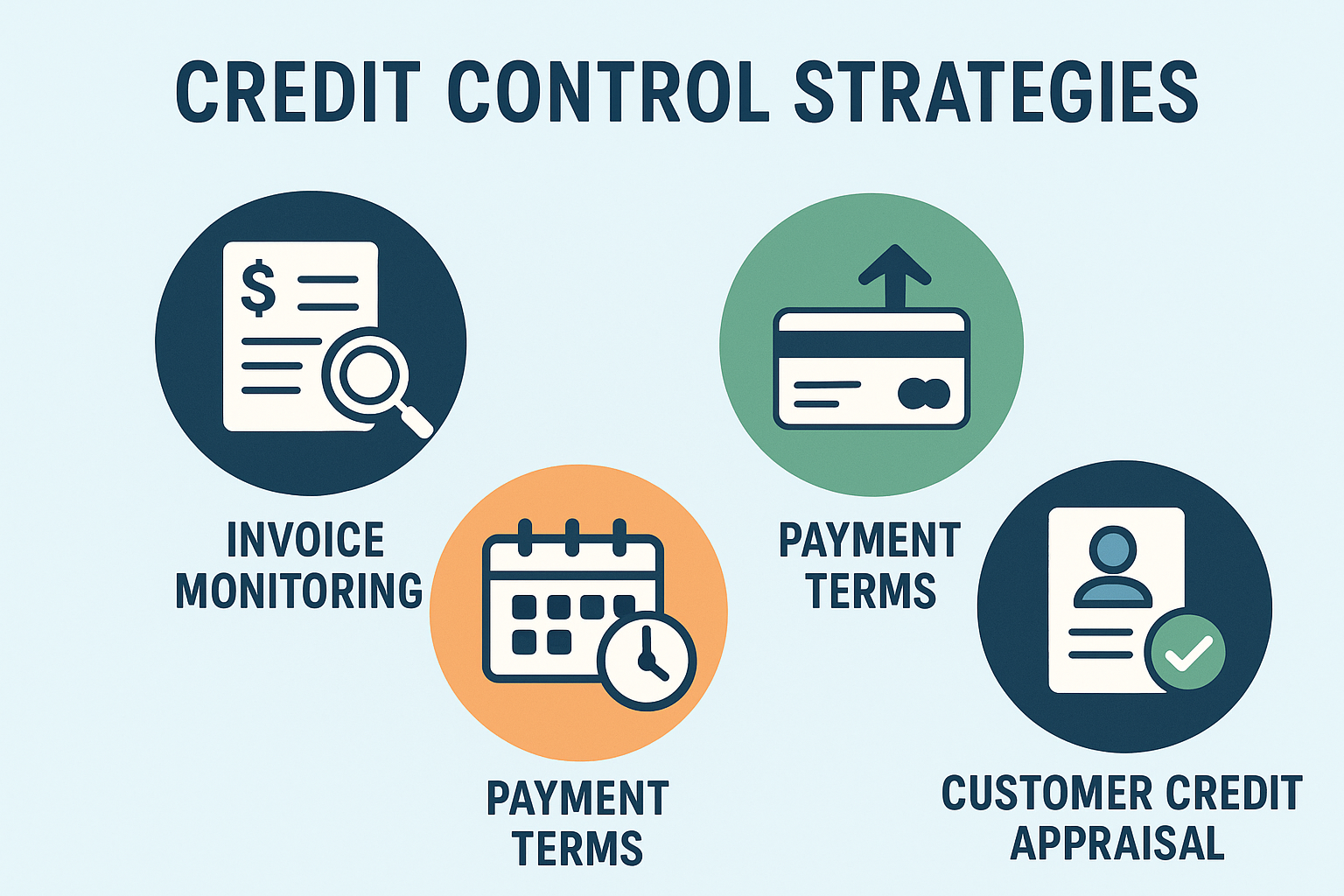
According to industry research, late payments account for billions in lost revenue every year for UK SMEs. By prioritising Credit Control, you not only protect your bottom line but also build a more predictable financial foundation for your business.
Learn more about how LRC supports clients with comprehensive Credit Control Services tailored to small businesses.
1. Set Clear Credit Terms from the Start
The first step in effective Credit Control is transparency. Establish clear credit terms and communicate them to your customers before any transaction takes place. Key details should include:
- Payment deadlines (e.g., 30 days from invoice date)
- Accepted payment methods
- Interest or late fees for overdue accounts
Written agreements eliminate confusion and set the tone for prompt payment expectations. Ensure that these terms are included in all contracts, proposals, and invoices.
2. Conduct Thorough Credit Checks
Before extending credit, it’s crucial to assess your customer’s financial stability. Carrying out a credit check allows you to gauge potential risk and decide on appropriate credit limits. For new clients, request trade references or review their payment history with other suppliers.
If you’re unsure where to begin, LRC offers Tracing and Asset Reports to help identify a debtor’s financial position and make informed decisions. This proactive step can prevent future disputes and reduce the likelihood of unpaid invoices.
3. Invoice Promptly and Accurately
Delayed or inaccurate invoicing is a common cause of late payments. Send invoices as soon as goods or services are delivered, and double-check that all details such as the customer’s name, address, purchase order number, and payment terms are correct.
Automating your invoicing process can also save time and minimise human error. Many accounting platforms now integrate automated reminders to ensure clients are aware of upcoming due dates.
4. Monitor Accounts Regularly
Regular monitoring of outstanding accounts is central to strong Credit Control management. Review your aged debtor reports weekly to identify overdue invoices early and take prompt action.
Implement a follow-up schedule:
- Day 1–7: Send a friendly reminder email.
- Day 14: Make a courtesy phone call.
- Day 30: Issue a formal reminder or statement of account.
By maintaining consistent communication, you signal professionalism and reinforce the importance of timely payment.
For advanced oversight, consider using LRC’s Online Debt Manager, which allows businesses to track and audit all debt recovery cases in real time.
5. Build Strong Client Relationships
Good relationships are the cornerstone of any successful business. Clients who value your partnership are more likely to respect payment terms and communicate about any difficulties they face.
When addressing overdue payments, maintain a courteous and professional tone. Offer flexibility where appropriate such as short-term payment plans to help preserve long-term relationships without compromising your cash flow.
6. Automate and Streamline Credit Control Processes
Automation tools can transform how you manage your receivables. By setting up systems for invoice generation, payment tracking, and reminder notifications, you reduce manual workload and improve accuracy.
Cloud-based solutions also enable better collaboration between finance teams and external partners like Legal Recoveries & Collections, ensuring that overdue debts are identified and acted upon swiftly.
7. Escalate When Necessary
Sometimes, even with robust Credit Control procedures, certain debts may remain unpaid. In such cases, swift escalation is key to avoiding long-term losses.
LRC’s Pre-Legal Debt Recovery service helps businesses recover outstanding debts without immediately resorting to court action. If legal intervention becomes necessary, their Legal Recoveries & Enforcement team can handle proceedings efficiently, ensuring full compliance and minimal disruption to your operations.
8. Train Staff and Review Policies Regularly
Your team plays a crucial role in effective Credit Control. Provide regular training to ensure staff understand procedures for granting credit, managing accounts, and following up on late payments.
Additionally, review your credit policies at least annually to ensure they reflect current market conditions, legal requirements, and business objectives.
Conclusion: Strengthen Your Business with Smart Credit Control
Implementing strong Credit Control strategies can significantly reduce late payments, enhance cash flow, and create a more stable business foundation. From setting clear credit terms to leveraging automation and professional recovery services, these practices empower small businesses to operate with confidence.
At Legal Recoveries & Collections (LRC), we specialise in supporting UK businesses with comprehensive Credit Control Services that deliver results. Contact us today to discover how our expert team can help you streamline your credit management and protect your cash flow.
FAQs: Credit Control for Small Businesses
1. What is Credit Control and why is it important for small businesses?
Credit Control is the process of managing customer credit to ensure invoices are paid on time and cash flow remains steady. For small businesses, it helps prevent bad debt, supports financial stability, and ensures that funds are available for growth and operations.
2. How can small businesses improve their Credit Control processes?
Small businesses can improve Credit Control by setting clear payment terms, conducting credit checks, invoicing promptly, and following up on overdue accounts regularly. Using automated systems or partnering with a professional service like Legal Recoveries & Collections (LRC) can further streamline this process.
3. What are the main causes of late payments?
Late payments often result from poor invoicing practices, unclear credit terms, client cash flow issues, or lack of follow-up. A strong Credit Control strategy helps identify and mitigate these risks before they affect your business.
4. Should small businesses perform credit checks on all new clients?
Yes. Conducting credit checks on new clients is an essential part of Credit Control. It helps you assess financial stability and set appropriate credit limits. LRC also provides Tracing and Asset Reports to help evaluate customer risk before extending credit.
5. What should I do if a client refuses to pay after several reminders?
If a client continues to ignore payment reminders, escalate the issue promptly. Begin with a Pre-Legal Debt Recovery approach to encourage payment without court involvement. If necessary, LRC’s Legal Recoveries & Enforcement team can take formal action to recover outstanding debts.
6. How often should I review my Credit Control policy?
It’s best practice to review your Credit Control policy at least once a year or sooner if your business or market conditions change. Regular reviews ensure that your procedures remain effective, legally compliant, and aligned with your business goals.
7. Can outsourcing Credit Control save my business time and money?
Absolutely. Outsourcing Credit Control to professionals like Legal Recoveries & Collections allows you to focus on core operations while experts handle credit management, collections, and debtor communication. This approach often leads to faster payments, reduced in-house costs, and improved cash flow.